Roof leaks usually occur during the wet season and can cause serious damage when neglected. While many homeowners rely on regular roof inspections from competent Delaware roofing companies like Homecraft® Inc. to prevent water penetration, and make the necessary repairs on the roof, there is a simple roofing system feature that is worth paying attention to: roof flashing.
Roof flashing is a construction detail strategically placed over joints in the roof and wall of a building to prevent water penetration. It is a strip of sheet metal that is usually made from copper, lead, aluminum, or galvanized steel. When properly installed and maintained, roof flashing will effectively prevent water penetration.
An article by Frank Ross, a member of the National Association of Certified Home Inspectors discusses the importance of roof flashing in protecting your roof:
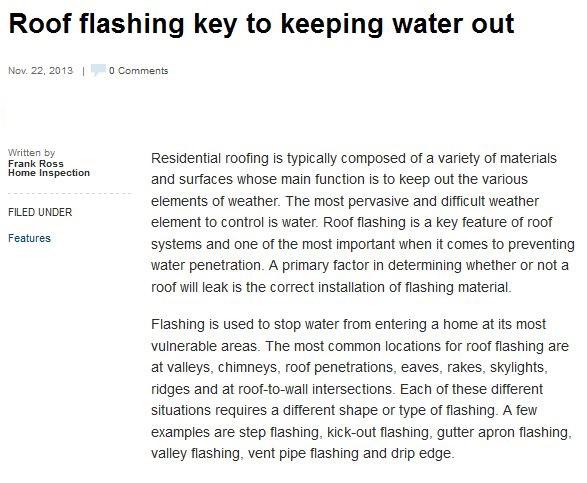
“Residential roofing is typically composed of a variety of materials and surfaces whose main function is to keep out the various elements of weather. The most pervasive and difficult weather element to control is water. Roof flashing is a key feature of roof systems and one of the most important when it comes to preventing water penetration. A primary factor in determining whether or not a roof will leak is the correct installation of flashing material.
Flashing is used to stop water from entering a home at its most vulnerable areas. The most common locations for roof flashing are at valleys, chimneys, roof penetrations, eaves, rakes, skylights, ridges and at roof-to-wall intersections. Each of these different situations requires a different shape or type of flashing. A few examples are step flashing, kick-out flashing, gutter apron flashing, valley flashing, vent pipe flashing and drip edge.”
To maximize its function, the material used for roof flashing should be resistant to the corrosive wear and tear of the elements and to water penetration, and should be low-maintenance. Since roof flashing is a crucial detail that helps the entire roofing system endure extreme weather conditions and withstand damage, make sure that extra care is given to its installation.
Enlist the professional services of a licensed roofer. If you have more questions about how roof flashing works and the best material to use for your roof, see experienced Delaware roofing contractors like Homecraft® Inc.
(Article Excerpt and Image from Roof flashing key to keeping water out, The Spectrum, November 22, 2013)
Caring for your home in Wilmington, DE means staying ahead of seasonal changes, unpredictable weather,…
If you live in Wilmington, DE, you know that the changing seasons bring a variety…
As a homeowner, you may not always think about your windows, but upgrading them can…
A roof endures a great deal throughout the seasons, from brisk winter winds to sudden…
Venting is often overlooked when it comes to siding, yet it plays a critical role…
Energy-efficient roofing is more than a modern trend, it's an investment that benefits homeowners year-round.…