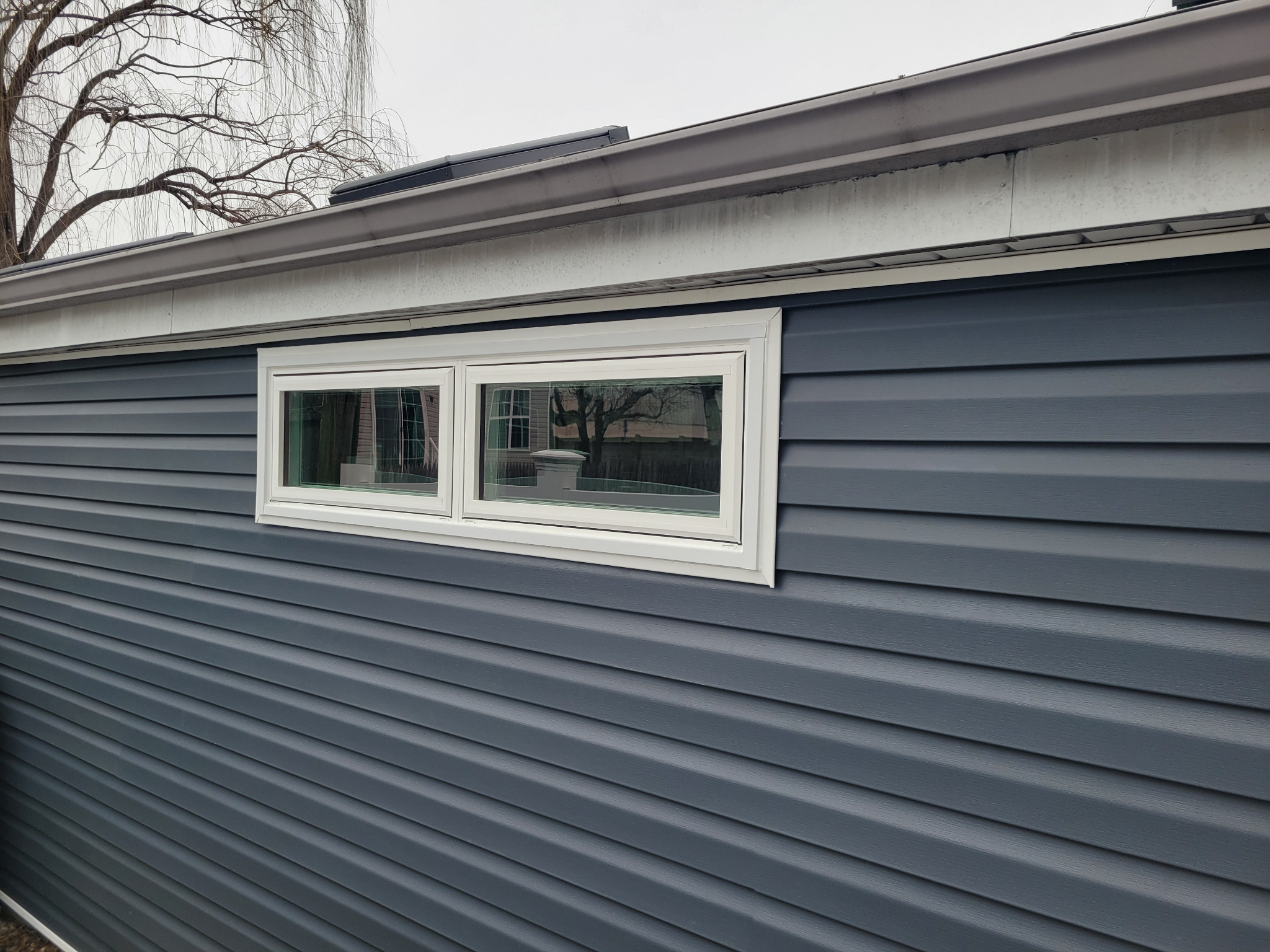
Woodpeckers can be more than just a noisy nuisance. If you own a home surrounded by mature trees or wooded areas, you may have noticed these birds pecking away at your siding, leaving behind unsightly holes and potential damage. Understanding why woodpeckers cause this damage, and knowing what proactive steps you can take, is important for protecting the value and integrity of your home.
Why Woodpeckers Target Siding
Woodpeckers are attracted to homes for several reasons, ranging from environmental conditions to the type of siding materials used:
-
Woodpeckers are drawn to insects living behind siding, especially around aging wooden materials
-
Nesting behavior makes spring and early summer peak seasons for new holes as birds search for sheltered areas to raise their young
-
Drumming patterns are used for territory marking, with birds choosing surfaces that amplify sound throughout the area
Homes with mature landscaping, wooded surroundings, and older wood siding are especially vulnerable. While vinyl siding is generally more resistant than cedar or other softwoods, determined birds may still target seams and corners if they suspect insects are present behind the siding.
Three Main Reasons for Woodpecker Damage
Foraging for Insects
Woodpeckers feed on insects such as carpenter bees, ants, and larvae that may live within or behind aging siding. Moisture intrusion can accelerate wood rot and insect activity, making your siding even more attractive to birds searching for food.
Nesting and Roosting
When woodpeckers search for nesting cavities, they often create repeated holes in softer wood siding, especially if the material is untreated or already beginning to deteriorate. Larger holes, often around two inches in diameter, are common signs of nesting activity.
Drumming for Communication
Woodpeckers sometimes peck on siding simply because it produces loud sounds that help them establish territory or attract mates. Metal flashing and certain siding materials can create resonant sounds that encourage birds to return repeatedly.
What Types of Siding Are Most Vulnerable?
Wood siding is the most susceptible to woodpecker damage, especially if it is older or has not been properly maintained. Fiber cement siding provides improved resistance but can still attract birds if insects are present behind the panels. Vinyl siding is generally less appealing because it is not a food source or ideal nesting material, although seams and corners may still be targeted.
For homeowners looking for a stronger and more energy-efficient option, CedarMAX insulated vinyl siding by ProVia is an excellent choice. This premium vinyl siding offers added durability, improved insulation performance, and enhanced resistance against moisture and pest-related damage while maintaining an attractive appearance.
Homes located near wooded areas or surrounded by mature landscaping are often at greater risk for woodpecker activity, particularly during spring and early summer when nesting behavior increases.
How to Deter Woodpeckers and Prevent Siding Damage
Preventing ongoing woodpecker damage often requires a combination of solutions:
-
Install visual deterrents such as reflective tape, windsocks, or predator decoys near problem areas
-
Seal existing holes and replace deteriorated siding with more durable, bird-resistant materials
-
Upgrade to durable options such as fiber cement or CedarMAX insulated vinyl siding by ProVia for added protection and lower maintenance
-
Schedule regular inspections to identify insect infestations or moisture problems before they attract birds
Taking preventive action early can help minimize long-term damage and preserve the appearance of your home.
Call a Local Siding Professional in Wilmington, DE
If you are experiencing persistent woodpecker damage or are considering upgrading your siding, Homecraft® Inc. provides expert siding replacement and exterior renovation services designed to protect your home from both weather and wildlife damage. Our team proudly serves homeowners in Wilmington, DE with durable solutions, including premium vinyl siding options like CedarMAX insulated vinyl siding by ProVia. Give us a call at (302) 798-0302 or fill out our contact form to get started.