In today’s home improvement landscape, maintaining an energy-efficient home is not just a luxury but a necessity. Windows play a critical role in your home’s energy performance. They are not only architectural elements that enhance aesthetic appeal but also essential components that help regulate indoor temperature and reduce energy consumption. This article explores how choosing the right windows can significantly improve your home’s energy efficiency, lower your utility bills, and increase comfort year-round.
Understanding Window Energy Efficiency
Energy-efficient windows are designed to prevent heated or cooled air from escaping your home. They feature advanced technologies such as multiple panes of glass, low-emissivity (Low-E) coatings, and high-quality frame materials that work together to minimize thermal transfer and enhance insulation.
These features are measured by two key ratings: the U-factor and the Solar Heat Gain Coefficient (SHGC). The U-factor measures how well a window prevents heat from escaping, while the SHGC measures how well it blocks unwanted heat from entering. For homes in Delaware’s variable climate, selecting windows with low U-factor and SHGC ratings is essential for maintaining comfort and maximizing energy efficiency throughout the year.
The Impact of Proper Installation
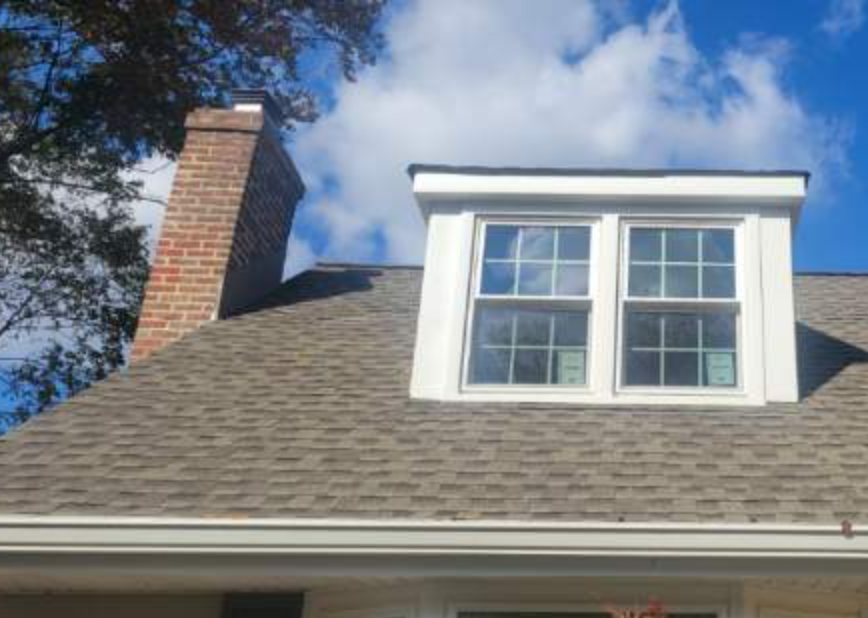
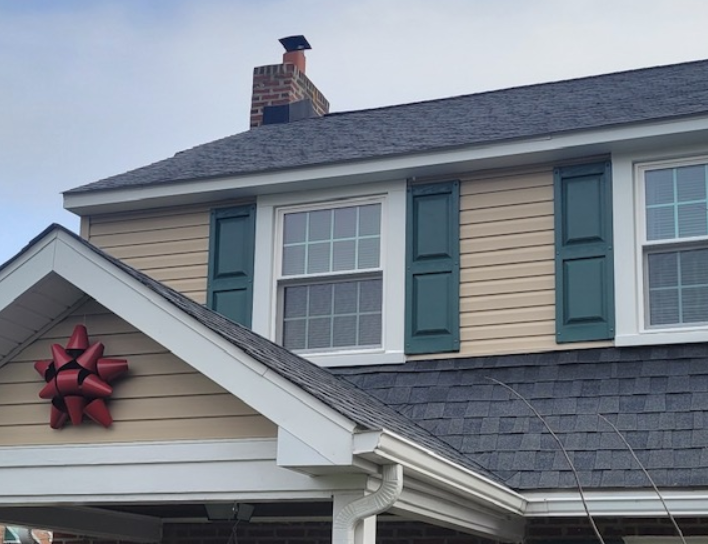
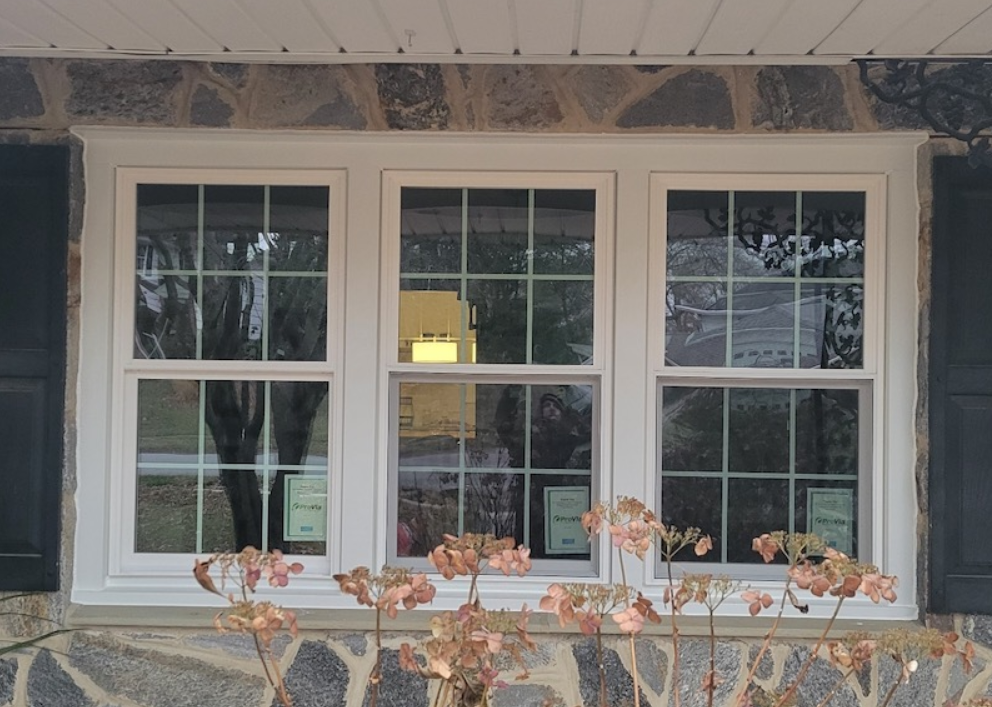
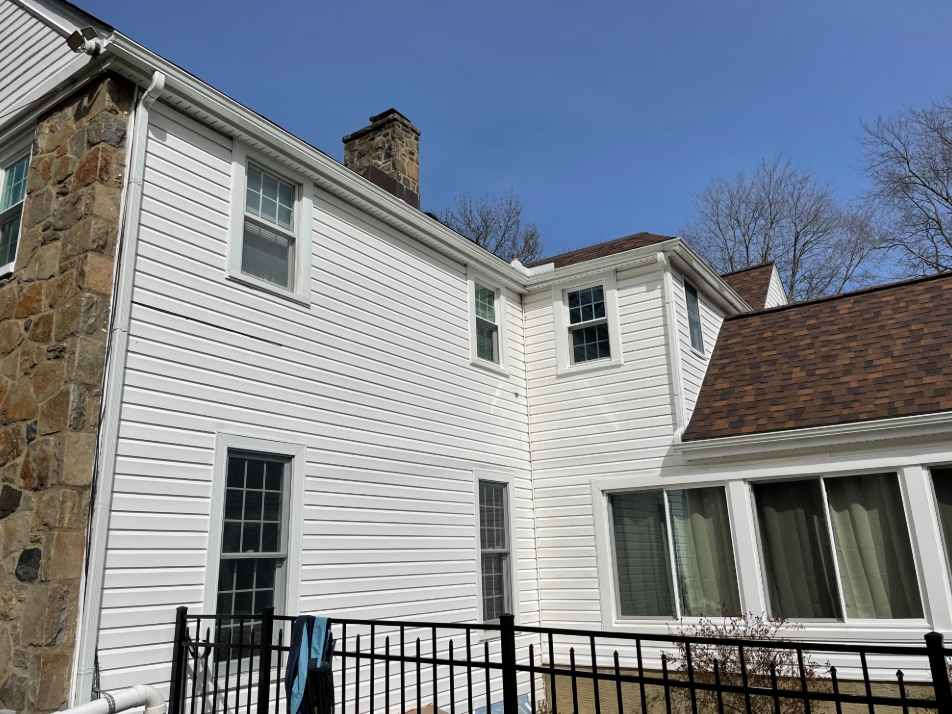
Even the most energy-efficient windows cannot perform at their best without proper installation. A precise and airtight installation prevents drafts, eliminates gaps, and ensures that the windows function as intended. Correct placement also helps maximize natural light while minimizing direct sunlight exposure, which can raise indoor temperatures.
Professional installation is crucial. A poorly installed window, regardless of its energy rating, can lead to air leaks, moisture intrusion, and increased energy costs. Trusting experts ensures long-term performance, efficiency, and comfort.
Window Materials and Energy Efficiency
The material of your window frame has a major impact on its energy performance.
-
Vinyl: A cost-effective and highly efficient option due to its low thermal conductivity and excellent insulation. Vinyl helps maintain consistent indoor temperatures and requires minimal maintenance.
-
Wood: Offers natural insulation and classic beauty but requires regular upkeep to prevent warping or rot.
-
Fiberglass: Combines durability with superior thermal performance and minimal maintenance, making it one of the most energy-efficient frame materials available.
The Role of Glazing and Coatings
Modern glazing technologies and coatings significantly boost a window’s energy efficiency. Low-E coatings reduce heat transfer, keeping interiors warmer in winter and cooler in summer. They also block harmful UV rays that can fade flooring and furniture.
For even better insulation, consider double- or triple-pane windows filled with inert gases like argon or krypton between the panes. These gas fills help reduce heat loss, enhance energy efficiency, and even minimize outside noise, improving indoor comfort all year long.
Upgrade Your Windows with Homecraft® Inc.
Upgrading to energy-efficient windows is an investment that pays off through lower energy bills, improved comfort, and increased property value. At Homecraft® Inc., our team of window experts is dedicated to helping homeowners choose and install the ideal energy-efficient windows for their needs. We ensure each installation is done with precision and care, delivering lasting results.
If you are ready to improve your home’s energy efficiency with high-quality windows, call us at (302) 798-0302 or fill out our online form to schedule your consultation. Let us help you upgrade your Wilmington, DE home with expertly installed, energy-efficient windows that deliver comfort and savings year after year.